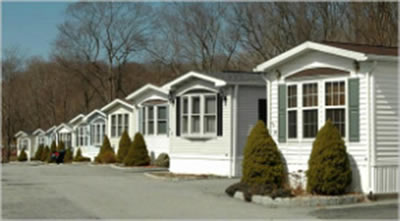
Manufactured housing communities (MHCs) — also known as mobile home parks — represent one of the most resilient and demand-driven segments of the commercial real estate market. As the largest provider of unsubsidized affordable housing in the United States, manufactured housing communities attract strong institutional interest and offer stable, land-lease income with low capital expenditure requirements.
Commercial Loan Direct's manufactured housing financing platform provides access to agency programs from Fannie Mae and Freddie Mac, FHA-insured mortgages, CMBS conduit loans, conventional bank financing, and bridge loans — covering everything from stabilized community acquisitions to value-add repositioning projects nationwide. Our team structures loans for both tenant-owned home (TOH) and lender-owned home (LOH) community types, with competitive rates and low closing costs.
Manufactured Housing Loan Rates & Programs
| Loan Type | Min Loan Amount | Max LTV | Term Length | Amortization | Rates |
|---|---|---|---|---|---|
| Conventional | $1,000,000 | 75 | 3 - 30 Years | 10 - 30 Years | 5.60% - 8.99% |
| FHA / HUD | $3,000,000 | 80 | 30 - 40 Years | 30 - 40 Years | 5.33% - 8.99% |
| Fannie Mae | $1,000,000 | 80 | 3 - 30 Years | 15 - 30 Years | 5.46% - 6.26% |
| CMBS | $2,000,000 | 75 | 5 - 30 Years | 20 - 30 Years | 6.43% - 8.24% |
| Bridge | $3,000,000 | 80 | 1 - 3 Years | 15 - 30 Years | 5.75% - 12.75% |
Manufactured Housing Community Mortgages
Fannie Mae Manufactured Housing Commercial Loans
Fixed-Rate Mortgage: The Fixed-Rate product is for the purchase or refinance of existing, stabilized properties including: traditional, affordable housing, seniors housing, student housing, and manufactured housing communities. Maximum LTV is 80% for purchases and 75% for refinances with a 1.25x DSCR requirement. Loan terms are from 5-15 years.
Structured Adjustable-Rate Mortgage: The Structured ARM product is for the purchase or refinance of existing, stabilized traditional and manufactured housing communities. Senior housing, student housing, and moderate rehabilitation mortgages may be eligible on a case-by-case basis. Affordable housing, bond credit enhancements and substantial rehabilitation are not eligible. The minimum loan amount is $25 million, maximum LTV is 75%, minimum DSCR is 1.0x and terms range from 5-10 years.
Adjustable Rate Mortgage 7-6: The ARM 7-6 product is for the purchase or refinance of existing, stabilized properties including: traditional, affordable housing, seniors housing, student housing, and manufactured housing communities. Maximum LTV is 80% for purchases and 75% for refinances with a 1.00x DSCR requirement at the loan cap rate. Loan terms are 7 years with a 1 year lock-out period and a 1% prepayment premium thereafter.
Manufactured Housing Mortgages: The MHC product provides financing options for the purchase and refinance of stabilized communities where the Borrower owns the Manufactured Housing Community (MHC) sites and associated common amenities and infrastructure. Communities must be professionally managed, with or without age restrictions, and have a minimum of 50 pad sites. Maximum LTV is 80%, minimum DSCR is 1.25x.
Supplemental: The Supplemental Loans product is subordinate financing for properties with a pre-existing fixed or adjustable Fannie Mae Mortgage Loan that has been in place for a minimum of 12 months. Maximum LTV is 75% and minimum DSCR is 1.30x. New third party reports may not be required and early rate lock is available for a fee.
Choice Refinance Program: The Choice Refinance product is a streamlined refinance process with more limited documentation for existing DUS Cash or MBS mortgages to be refinanced by the same Lender. Properties must be stabilized and well-maintained and mortgages must be in good standing.
Freddie Mac Manufactured Housing Commercial Loans
Fixed-Rate Loan: The fixed rate product may be used for the acquisition or refinance of all major multifamily project types. Typical loan amounts are $5-100 million and may include interest-only options. Maximum available LTV is 80% and minimum debt service coverage ratio is 1.25x.
Floating-Rate Loan: The fixed rate product may be used for the acquisition or refinance of all major multifamily project types except for cooperative housing. Typical loan amounts are $5-100 million and may include interest-only options. Maximum available LTV is 80% and minimum debt service coverage ratio is 1.25x.
Lease-Up Loan: The lease-up product is for traditional multifamily properties only with substantially complete construction that is in need of stabilization; this is not available for student, senior, or affordable housing. Maximum leverage is a 75% LTV with a 1.30x debt service coverage ratio (with a letter of credit or reserve); otherwise, there is a max LTV of 65% and debt service coverage ratio of 1.25x.
Manufactured Housing Community Loan: The manufactured housing product is for existing, stabilized, high-quality, professionally managed manufactured housing communities (MHCs), with or without age restrictions. Loan amounts are $1 million+ and may include interest-only options. Maximum available LTV is 75% and minimum debt service coverage ratio is 1.25x.
Revolving Credit Facility: The revolving credit product is a 5 year secured line-of-credit on any of the major multifamily property types; borrower can move assets in and out of the facility for rehabilitation/upgrade, acquisition, or refinance. Typical loan amounts are $100 million+ and are interest-only. Maximum available LTV is 75% and minimum debt service coverage ratio is 1.45x.
Supplemental Loan: The supplemental loan product is for stabilized properties with Freddie Mac first lien mortgages in place. Loan amounts are $1 million+ and may include interest-only options. Maximum available LTV is 80% and minimum debt service coverage ratio is 1.25x.
Value-Add Loan: The value-add loan is an acquisition loan offering a short-term, cost-effective financing option for moderate property upgrades. It has a floating interest-only rate with an 80% max LTV and a debt service coverage ratio based on 7-year fixed rate at current pricing.
Small Balance Mortgages: The Freddie Mac small balance program provides financing of small balance loans using hybrid ARM or fixed-rate loan products, offering partial-term and full-term interest-only. This program also features a streamlined process and competitive pricing. The loan amount for this program is $1 million to $5 million.
FHA Manufactured Housing Commercial Loans
Rental Housing - Section 207: Section 207 is no longer used for new construction and substantial rehabilitation; developers and lenders prefer Section 221(d)(4), which has more favorable terms. It is, however, the primary product for the Section 223(f) refinancing program. In fiscal year 2013, the Department did not insure any mortgages under this section.
Manufactured Housing - Section 207: Section 207 insures mortgages to provide financing for mobile home parks.
Rental Housing for Urban Renewal and Concentrated Development Areas - Section 220: Section 220 facilitates multifamily housing projects in urban renewal areas, code enforcement areas, and other designated revitalization areas. This program is eligible for the Multifamily Accelerated Processing (MAP). In 2013, FHA insured 4 projects with 788 units, totaling $111.3 million and averaging $27,825,000 per project.
Existing Multifamily Rental Housing - Sections 207/223(F): Sections 207/223(f) facilitate the purchase or refinance of existing multifamily rental housing. Projects that require substantial rehabilitation are not eligible for these programs and must apply for the 221(d)(4) program. Critical repairs must be completed before the loan endorsement. Section 223(f) is eligible for Multifamily Accelerated Processing (MAP). In fiscal year 2013, FDA insured 740 projects with 126,388 units, totaling $7.7 billion for an average project size of $10.4 million.
Supplemental Multifamily Loans - Section 241(a): Section 214(a) facilitates supplemental mortgages for projects already insured by an FHA program. This extends the original loan's economic life and can be used for repairs, additions, or improvements to multifamily projects and group practice facilities, hospitals, or nursing homes. Major equipment for insured medical facilities may be covered by a mortgage under this program. In fiscal year 2013, FHA insured 3 projects with 398 units, totaling $16.9 million for an average of $5.6 million.
Risk-Sharing Program - Qualified Participating Entities (QPE) - Section 542(b): Section 214(a) facilitates supplemental mortgages for projects already insured by an FHA program. This extends the original loan's economic life and can be used for repairs, additions, or improvements to multifamily projects and group practice facilities, hospitals, or nursing homes. Major equipment for insured medical facilities may be covered by a mortgage under this program. In fiscal year 2013, FHA insured 3 projects with 398 units, totaling $16.9 million for an average of $5.6 million.
Housing Finance Agency Risk-Sharing - Section 542(c) : Section 542(c) provides credit enhancement for mortgages of multifamily projects with loans underwritten, and serviced by HFAs. This is a risk-sharing program. In fiscal year 2013, FHA insured mortgages for 54 projects with 5,009 units, totaling $355 million, for an average of $6.6 million per project.
Manufactured Housing Community Types We Finance
How to Get a Commercial Loan for a Manufactured Housing Community
Obtaining manufactured housing financing follows a structured process that differs from traditional multifamily lending. Because lenders focus on pad-site occupancy, land lease income, and community infrastructure quality rather than unit rents, preparation and documentation are critical. Here is a step-by-step guide to getting your manufactured housing community loan closed efficiently.
Determine Your Loan Program
The right manufactured housing financing program depends on your community's size, occupancy, home type, and your investment objectives. For stabilized communities with 50+ pad sites and 85%+ occupancy, agency financing from Fannie Mae or Freddie Mac typically offers the most competitive rates and highest leverage (up to 80% LTV). CMBS loans are suited for larger communities with non-recourse requirements. Bridge loans are the right fit if occupancy is below threshold or the community needs capital improvements before agency financing is viable. Conventional bank loans provide flexibility for smaller communities and borrowers with strong banking relationships.
Assess Your Community's Qualifying Characteristics
Lenders evaluate manufactured housing communities across several key dimensions before offering financing. Pad count is fundamental — agency programs require a minimum of 50 pad sites. Occupancy must generally be at or above 85% for permanent financing. The ratio of tenant-owned homes (TOH) to lender-owned homes (LOH) matters significantly, as agency lenders strongly prefer TOH communities where residents own their homes and rent only the pad. Utility infrastructure (individual metering vs. master metering), road condition, community amenities, and the age and condition of homes on site also affect lender appetite and pricing.
Assemble Your Financial Package
A complete and well-organized loan package dramatically accelerates the underwriting timeline. For manufactured housing community loans, lenders require: a current rent roll detailing pad occupancy, monthly pad rent, home type (TOH/LOH), and lease status for each site; trailing 12–24 months of operating statements; a year-to-date profit and loss statement; personal financial statement with a real estate schedule; 3 years of personal and business tax returns; property photographs including community entrance, roads, amenities, and representative home sites; a site plan showing the full pad layout; and utility structure documentation. For acquisitions, a fully executed purchase and sale agreement is also required.
Calculate Your Debt Service Coverage Ratio (DSCR)
Lenders underwrite manufactured housing financing primarily on net operating income (NOI) and the resulting debt service coverage ratio (DSCR). NOI is calculated as total pad rent revenue minus operating expenses (management fees, maintenance, utilities, insurance, taxes, and reserves). Most agency and CMBS lenders require a minimum 1.25x DSCR. For example, if your community generates $300,000 in annual NOI, a 1.25x DSCR supports approximately $240,000 in annual debt service. Use our DSCR calculator or NOI calculator to run your numbers before engaging lenders.
Submit Your Application and Lock Your Rate
Once your package is complete, your CLD loan officer will submit to the most competitive lender for your community profile. Agency lenders (Fannie Mae and Freddie Mac) offer early rate lock options that protect you against rate increases during the underwriting period — a significant advantage in volatile rate environments. The underwriting process for MHC loans typically takes 30–60 days for agency programs and 45–75 days for CMBS. Bridge loans can close in as few as 14–21 days for urgent acquisitions.
Third-Party Reports and Closing
All manufactured housing community loans require standard third-party reports: an MAI appraisal valuing the community on a per-pad-site basis, a Phase I Environmental Site Assessment, a Property Condition Assessment (PCA), and a survey. For agency loans, a specialized MHC market study evaluating the community's competitive position may also be required. Once all reports are received and the lender issues a commitment letter, closing is typically scheduled within 15–30 days.
Agency Loan Package (Fannie Mae / Freddie Mac)
Current rent roll by pad site (TOH/LOH status) · 24 months operating statements · YTD P&L · Personal financial statement · 3 years tax returns · Site plan and community photos · Utility infrastructure documentation · MHC market study (if required) · Phase I ESA · Property Condition Assessment
Bridge / Bank Loan Package
Current rent roll and occupancy summary · Trailing 12-month operating statement · Business plan with stabilization timeline · Personal financial statement and global cash flow · 3 years personal and business tax returns · Site plan and aerial photography · Capital improvements schedule · Purchase and sale agreement (if acquisition) · Phase I ESA
Manufactured Housing Lending Guidelines
Lenders underwrite manufactured housing community loans based on pad-site occupancy, net operating income, home type composition, community quality, and borrower financial strength. The table below summarizes key parameters by loan program.
| Metric | Fannie Mae MHC | Freddie Mac MHC | CMBS / Bank | Bridge |
|---|---|---|---|---|
| Min. Loan Amount | $1M+ | $1M+ | $2M+ (CMBS) / $500K+ (Bank) | $1M+ |
| Max LTV | 80% (purchase) / 75% (refi) | 75% | 65–75% | 75–80% of cost |
| Min. DSCR | 1.25x | 1.25x | 1.25x–1.30x | Pro forma / stabilized |
| Min. Pad Sites | 50 pads | No minimum stated | Varies by lender | Varies by lender |
| Min. Occupancy | 85%+ stabilized | 85%+ stabilized | 85%+ (perm) / value-add OK | Below 85% acceptable |
| Loan Term | 5–15 years | 5–10 years | 5–10 yrs (CMBS); 3–10 (Bank) | 12–36 months |
| Amortization | Up to 30 years | Up to 30 years | 25–30 years | Interest-only |
| Recourse | Non-recourse w/ carve-outs | Non-recourse w/ carve-outs | Non-recourse (CMBS) / Recourse (Bank) | Typically recourse |
2026 Manufactured Housing Lending Landscape
The manufactured housing financing market enters 2026 in a strong position, driven by persistent affordable housing demand, growing institutional investor interest, and agency program enhancements that have made MHC financing more accessible than ever. Below are the key trends shaping manufactured housing lending this year.
Institutional Capital Acceleration
Private equity, REITs, and institutional investors continue to acquire manufactured housing communities at record pace, recognizing MHCs as one of the most supply-constrained affordable housing assets in the country. This institutional demand has compressed cap rates in primary markets and attracted agency lender attention, resulting in broader program availability and more competitive pricing for MHC borrowers in 2026.
Expanded Agency Programs
Both Fannie Mae and Freddie Mac have expanded their manufactured housing community programs in response to federal affordable housing mandates. Freddie Mac's MHC product now accommodates a broader range of community types, including smaller communities and those with mixed TOH/LOH populations. Fannie Mae's MH Advantage program continues to offer lower rate premiums for communities with updated infrastructure and community standards aligned with site-built housing quality.
Rate Environment & Spreads
With the Federal Reserve's rate normalization cycle in progress entering 2026, agency MHC loan spreads have compressed relative to CMBS and conventional bank alternatives. Fannie Mae and Freddie Mac fixed-rate MHC loans remain competitively priced relative to broader multifamily benchmarks, and borrowers with stabilized, high-occupancy communities are finding agency executions particularly attractive compared to floating-rate bridge products.
Affordable Housing Designation
Manufactured housing communities serving residents earning below 80% of Area Median Income (AMI) may qualify for affordable housing designation under Fannie Mae and Freddie Mac programs, unlocking additional pricing benefits and higher leverage. In 2026, regulators are actively incentivizing agency lenders to increase MHC affordable housing volume, creating favorable financing conditions for mission-aligned owners and operators committed to preserving affordable pad rents.
Value-Add & Repositioning Activity
With stabilized MHC cap rates compressed in primary markets, value-add bridge lending for underperforming or undermanaged communities has surged in 2026. Lenders are actively underwriting repositioning business plans that involve converting LOH sites to TOH, improving community infrastructure, filling vacant pads, and bringing below-market rents to current levels. Bridge loans for these strategies are available at 75–80% of total project cost, with refinance into agency or CMBS permanent financing upon stabilization.
Geographic Diversification
While the Sunbelt continues to attract the largest share of MHC investment, secondary and tertiary markets across the Midwest and Southeast are generating strong lender interest in 2026. Communities in markets with growing workforce populations, limited affordable housing alternatives, and expanding employment bases — particularly in manufacturing, logistics, and healthcare — are receiving favorable underwriting treatment from both agency and CMBS lenders, broadening the investable universe for MHC borrowers.
What Lenders Are Looking For in 2026
The 2026 manufactured housing lending environment rewards communities that demonstrate strong management, high TOH occupancy, and below-market pad rents with upside potential. Lenders are placing increasing emphasis on the following characteristics this year:
- Tenant-owned home concentration — Communities with 80%+ TOH occupancy are commanding premium agency execution. Converting LOH sites to TOH is a value-add strategy that directly improves lender appetite and community valuation.
- Infrastructure quality — Paved roads, individual utility metering, and community amenities (laundry facilities, playgrounds, community centers) are increasingly important underwriting criteria as agencies apply standardized quality guidelines to MHC properties.
- Rent-to-income ratios — With affordability under scrutiny, lenders are evaluating pad rent levels relative to local income data. Communities with pad rents that represent 30% or less of median household income in the market demonstrate resilience and qualify for the most favorable affordable housing pricing.
- Management track record — Agency lenders require professional management in place. Communities transitioning from mom-and-pop ownership to institutional management benefit from bringing a qualified third-party management company on board prior to application.
- Local zoning and entitlement protections — Communities protected by local zoning as legal conforming uses, or located in jurisdictions with manufactured housing protection legislation, are viewed as lower-risk assets by long-term lenders and life insurance companies.
Ready to Finance Your Manufactured Housing Community?
Whether you are acquiring your first MHC, refinancing an existing community, or repositioning a value-add property, our team has the programs and expertise to get your deal done. We work with Fannie Mae, Freddie Mac, FHA, CMBS, conventional, and bridge lenders — all in one place.
Get a Free Quote Speak With a Loan OfficerWhy Choose Commercial Loan Direct for Manufactured Housing Financing?
Manufactured housing financing is a specialized segment that requires lenders and advisors with deep program knowledge. Commercial Loan Direct has structured MHC transactions across dozens of states, with experience spanning small community bank loans through large agency executions:
- Agency expertise — Direct access to Fannie Mae DUS lenders and Freddie Mac Optigo lenders with active MHC programs, ensuring your community is matched to the program with the most competitive pricing.
- Bridge-to-permanent solutions — For value-add acquisitions, we structure bridge loans with built-in takeout provisions that provide a clear path to agency permanent financing once stabilization is achieved.
- National lender network — Our relationships span CMBS conduit lenders, life insurance companies, regional banks, and debt funds — giving us the ability to source financing for communities that don't fit the standard agency box.
- Affordable housing experience — We understand the nuances of affordable housing pricing overlays, HAP contracts, and income-restricted community requirements that affect MHC financing options.
- Streamlined process — Our dedicated MHC loan officers manage the process from initial application through closing, coordinating third-party reports, lender underwriting, and title to deliver a smooth and efficient experience for borrowers.