Interest Paid vs. Interest Impacted

Understanding Interest Paid vs. Interest Impacted in Commercial Mortgages

In the field of commercial real estate finance, distinguishing between Interest Paid and Interest Impacted is crucial for developers, investors, and stakeholders. While both terms relate to the cost of capital, they represent different perspectives: one focuses on the immediate cash outflow, while the other focuses on the broader economic consequences of rate fluctuations on an asset's value and viability.

What is Interest Paid?

Interest Paid refers to the actual, direct cash expenditure made by a borrower to a lender in exchange for the use of principal funds. This is a contractual obligation defined within the loan documents of a commercial mortgage.

Key characteristics of Interest Paid include:

  • Direct Cash Flow: It is a line-item expense on the property’s income statement that reduces the Net Cash Flow (NCF) available to the owners.
  • Calculation: It is calculated based on the outstanding principal balance, the interest rate (whether fixed, floating, or feathered), and the day-count convention (such as 30/360 or Actual/360).
  • Amortization: In an amortizing loan, the portion of Interest Paid usually decreases over the life of the loan as the principal balance is reduced, whereas in an interest-only loan, the payment remains constant.
  • Tax Considerations: For most commercial entities, interest paid is a tax-deductible expense, which can provide a "tax shield" for the property's income.

What is Interest Impacted?

Interest Impacted (often referred to as Interest Rate Impact) is a broader financial concept. It describes how changes in the prevailing interest rate environment "impact" the overall performance, valuation, and risk profile of a commercial property, regardless of whether the loan rate itself has changed.

The ways a property is Interest Impacted include:

  • Valuation and Cap Rates: There is a historical correlation between interest rates and capitalization (cap) rates. When market interest rates rise, investors typically demand higher yields, which can lead to an expansion of cap rates and a subsequent decrease in property value.
  • Debt Service Coverage Ratio (DSCR): A property is "impacted" when rising rates make new debt more expensive. If a borrower needs to refinance, a higher interest rate will increase the debt service requirements, potentially lowering the DSCR to a level where the lender will not approve the loan.
  • Exit Strategy Risk: If a borrower intends to sell a property in a high-interest-rate environment, the pool of potential buyers may shrink because their cost of acquisition financing has increased, thereby impacting the seller's final proceeds.
  • Opportunity Cost: Interest rates impact the "hurdle rate" for investors. If risk-free rates (like Treasury bonds) rise, the relative attractiveness of a commercial mortgage or real estate investment may be impacted, forcing a shift in capital allocation.

The Strategic Difference

The primary difference between the two lies in quantification versus qualification. Interest Paid is a quantifiable figure found on a monthly bank statement; it represents the cost of debt. Conversely, Interest Impacted is a qualitative and quantitative measure of market risk.

An investor might have a fixed-rate mortgage where the Interest Paid remains exactly the same for ten years. However, if market rates double during that time, the property is still heavily Interest Impacted because its market value may have dropped and its future refinancing potential has become more difficult. Understanding both concepts allows commercial mortgage professionals to better hedge against risk and optimize the long-term returns of a real estate portfolio.

Interest Paid vs. Interest Impacted
Definition An important clause in the CMBS structure that determines how and when losses are allocated (e.g. are losses allocated before principal is paid or after principal is paid?). This clause impacts the yield of the lowest class of certificate holders.
Type of Word Noun
Click To Hear Pronunciation

Commercial Loan Finder

Fill this form out to find the best commercial loan programs for your needs.

Get A Free Quote

Get a free commercial loan quote. This process does not affect your credit score.

Please put your first name here.
Please put your last name here.
Please put your email here.
Please put your phone number here.
Please select a property type.

Success Stories

See how we've helped borrowers across the country close complex deals and reach their goals.
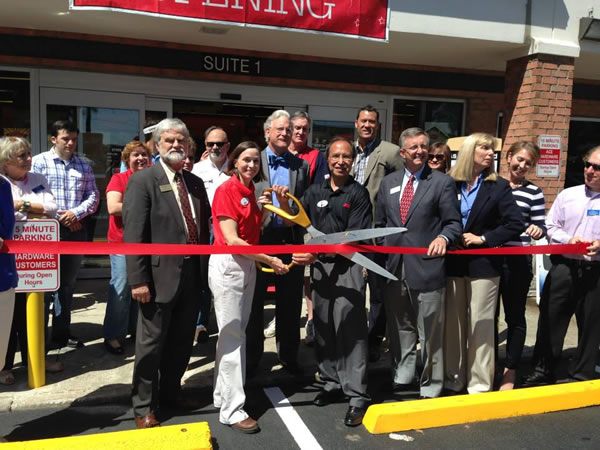
Ace Hardware Franchise Grand Opening - Herb and Gwen Velazquez SBA 7(a)

New Ace Hardware Franchise Financing

Alpharetta, GA Retail Franchise Real Estate + Working Capital

CLD was most helpful from answering my initial questions to the follow up... We would not have been able to start this business without CLD.

— Herb & Gwen Velazquez Read Story

Golden Valley Luxury Apartments - 332 Units, Bakersfield CA CMBS

Apartment Refinance — 332 Units

Bakersfield, CA Luxury Multifamily Non-Recourse · 10-Yr I/O

I had a tremendously good experience with CLD and especially with my loan specialist — she identified the ideal loan program and handled everything professionally.

— Golden Valley Apartments Read Story
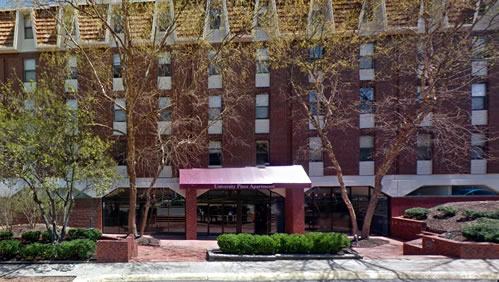
University Place Apartments - Student Housing, Columbia MO Conventional

Student Housing Refinancing — 181 Units

Columbia, MO Mixed-Use Student Housing Non-Recourse · 10-Yr

I felt confident through the process that things were under control, that my interests were protected — always a pleasure to work with.

— Mark Leifield Read Story

Want to see what real clients say about working with us?

Read Our Unfiltered Reviews

Was this page helpful?